-
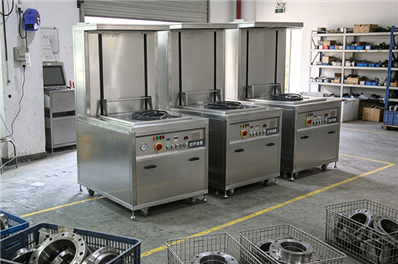 Why Are Leading Manufacturers Switching to Industrial Ultrasonic Automated Cleaning Machines for PCB Cleaning?
Walk into any modern electronics manufacturing facility, and you will notice a striking pattern. The factories that consistently deliver high-quality PCBs—with minimal defects, predictable throughput, and low rework rates—have one thing in common: they ha
-
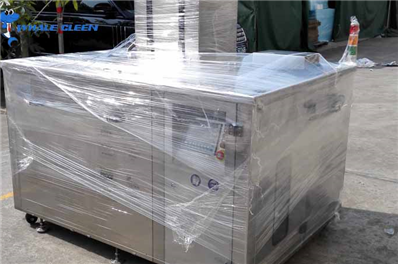 The Complete Guide to Cleaning PCBs with Ultrasonic Cleaners: 5-Step Process for Optimal Results
1. The Importance of Proper PCB Cleaning: Industry Insights According to the 2024 Global Electronics Manufacturing Report: Improper cleaning causes 35% of PCB failures Ultrasonic cleaning improves solder joint reliability
-
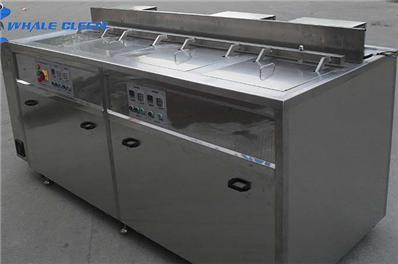 What ultrasonic cleaning machine has a good effect on cleaning circuit boards? FAQ
How to select a suitable ultrasonic cleaner for PCB cleaning? What is the ultrasonic cleaning machine cleaning circuit board effect? The following are some references and suggestions for this issue. The main purpose of cleaning circuit boards is to
-
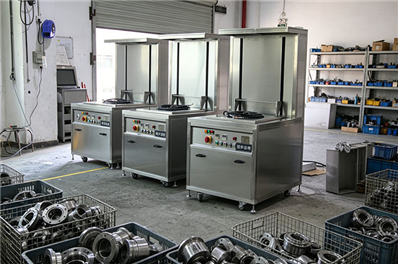 From Dirty to Spotless: How Long Does Ultrasonic Automatic Cleaning Take for a Multilayer PCB?
Walk onto the floor of any PCB assembly shop, and you will see it: boards fresh off the soldering line, covered in flux residues, ionic contaminants, and microscopic debris. The clock is ticking. Production schedules depend on getting these boards clean—f
-
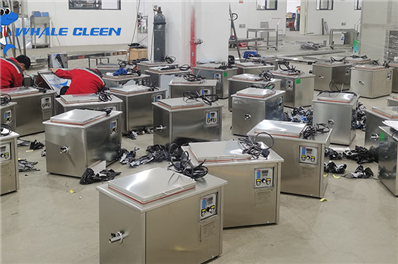 Ultrasonic Cleaning Machine: The Optimal Solution for Electronic Industry Cleaning
I. Introduction The electronics industry is synonymous with precision, reliability, and high-quality standards. Maintaining these standards often requires effective and thorough cleaning methods for electronic components, including printed circuit boar
-
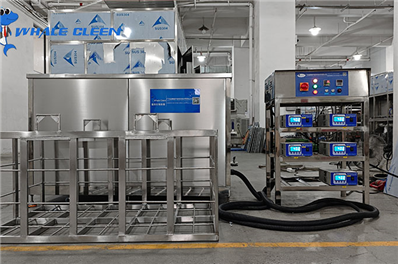 Ultrasonic Cleaners: The Cleaner Choice in Electronics Manufacturing
The electronics manufacturing industry is an intricate, highly regulated sector that requires precision at every step of the production process. One critical aspect is cleanliness—especially for sensitive components like printed circuit boards (PCBs), sem
-
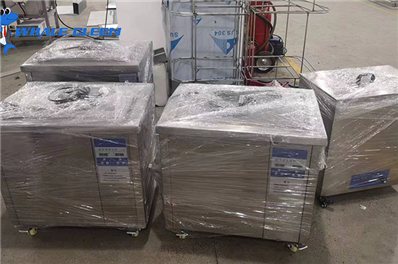 Ultrasonic Cleaning Machines for PCBs: Applications and Methods to Improve Cleaning Efficiency
Ultrasonic cleaning machines have been widely used in the electronics industry for cleaning printed circuit boards (PCBs) due to their ability to remove dirt, grease, and other contaminants from delicate surfaces. However, to achieve optimal cleaning resu
-
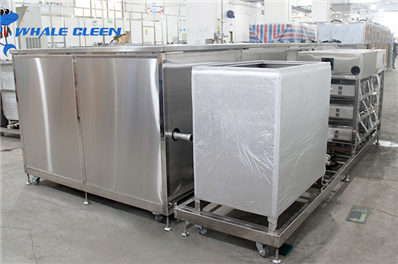 The Same Circuit Board, Different Results: Why Leading Electronics Manufacturers Are Switching to Industrial Ultrasonic Automatic Cleaning Machines
Look at the two PCBs. The first was cleaned with a manual brush and solvent dip. The second came from a fully automated ultrasonic cleaning line. To the naked eye, they look identical—solder joints shining, surfaces spotless, ready for assembly. But un
-
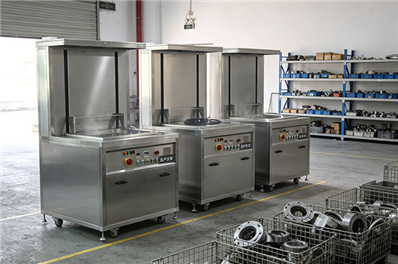 PCB Water Spots and White Residue After Cleaning? This Automated Ultrasonic Cleaner Saved Our Yield
For electronics manufacturers, few things are more frustrating than watching a batch of perfectly assembled PCBs emerge from the cleaning line covered in unsightly water spots and chalky white residues. The boards looked flawless before cleaning. Now they
-
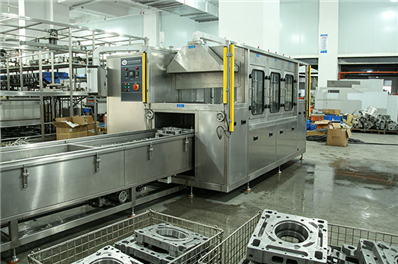 FPC Flexible Board Easily Damaged by Manual Cleaning? Finally, a Solution for High-Volume Degreasing
In electronics manufacturing, few components are as delicate—and as critical—as Flexible Printed Circuits (FPCs). Thin as paper, with trace widths often below 0.03mm, FPCs are the backbone of smartphones, wearables, tablets, and countless other compact de
-
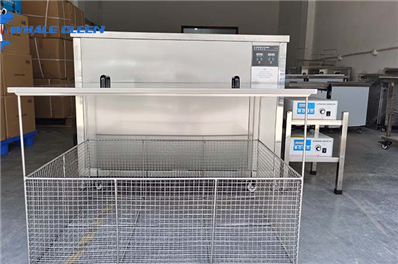 Non-Standard Workpieces with Unique Dimensions? Can’t Find the Right Equipment? A 20-Year Master Technician Specializes in Solving Every “Cleaning Challenge”
Every manufacturing engineer knows the feeling. You’ve sourced the perfect material, invested in precision machining, and built a production workflow that delivers quality. Then comes the cleaning stage—and suddenly, everything grinds to a halt.The part d
-
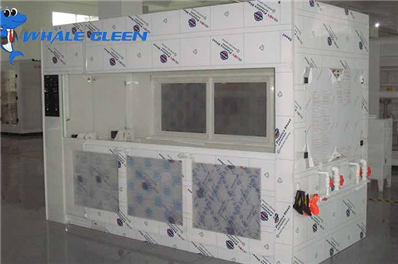 From Single‑Tank to Fully Automated: Where Is the Ceiling for Industrial Ultrasonic Cleaning Machines?
For decades, industrial cleaning was viewed as a necessary but straightforward step—a single tank of solvent, some ultrasonic waves, and a rinse. But as manufacturing tolerances have tightened and component complexity has increased, the question has shift